
Hot Sauce for Heart Health: Fire Up the Flavour, Watch the Salt
If you’re trying to limit sodium after a heart event or for any other reason, you might have a hard time finding things that taste good. I hear this a lot.
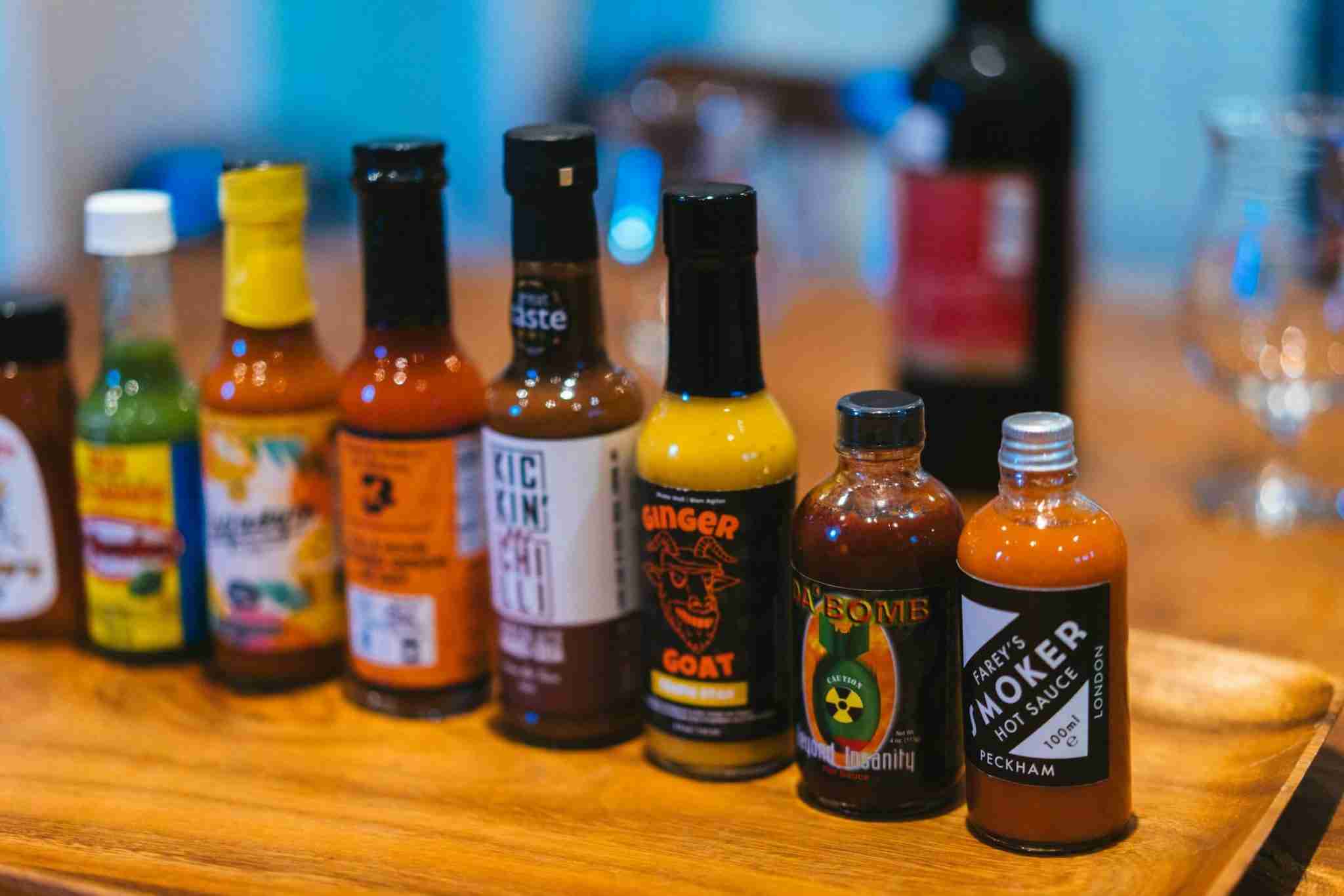
One quick and easy strategy is to add a punch of flavour with hot sauce. Hot sauce is actually a broad category, with varying heat levels and flavour profiles, from classics like Tabasco to regional specialties inspired by Mexican, Caribbean, and Southeast Asian cuisines.
If you use just a few drops, the sodium won’t amount to much. But douse your food in a teaspoon or more, and you might want to pay attention. Turn over the bottle and you’ll see numbers ranging from 30mg to 200mg per teaspoon.
Below you’ll find a complete guide to hot sauce for heart health, including the sodium content of popular grocery store brands, flavourful lower-sodium alternatives you can order online, and other ways to bring the heat in the kitchen.
Quick hot sauce primer
In addition to peppers, ingredients you’ll frequently see include garlic, vinegar, various spices, and salt. All fine or even possibly beneficial for heart health, except for the salt, if you get too much.

If you’re unfamiliar with hot sauces that have become more popular lately, like sriracha, cholula, or peri-peri, here’s a brief overview of the major categories:
- Louisiana-style — Tabasco, Frank’s RedHot, and other simple combinations of peppers, vinegar, salt, and perhaps garlic. Despite the name, Frank’s is actually milder than Tabasco, thicker, and less vinegary.
- Mexican-style — Dried chili flavour makes these more complex and earthy, versus pure heat. Brands you might see include Cholula and Valentina.
- Caribbean/Habanero-style — Scotch bonnets and habaneros — fiery. intensely spicy peppers — are often combined with tropical fruits like mango, papaya, or pineapple.
- Southeast Asian — Garlicky and slightly sweet Sriracha seems to be all the rage now. (Or was I just under a rock before?) My daughter uses it like some people use ketchup. Others you might see include sambal oelek — a chunky Indonesian chili paste and Gochujang — a thick, fermented, paste from Korea.
- African/Peri-Peri Style — Nando’s made this popular in North America, and their sauces are even in our grocery stores in Calgary. They use African bird’s eye chili peppers and add a bright, citrusy taste.
- Craft/Artisan — There are endless options for small-batch sauces made with unique peppers, unusual ingredients, and creative flavour combinations.

Could hot sauce benefit your heart?
Hot sauce may offer cardiovascular (CV) benefits, largely because most contain chili peppers rich in capsaicin (the compound responsible for their heat). Research suggests that people who eat spicy foods regularly tend to have a lower risk of cardiovascular disease (CVD) and CV mortality! Isn’t that something?

However, because this evidence comes from observational studies, as usual, we can’t say for sure whether chili peppers should get credit.
Do they improve blood pressure, cholesterol, or other CV risk factors? A very recent meta-analysis (study combining multiple studies) found that the studies of capsaicin or red pepper were too different from each other and the total sample size too small to come to firm conclusions. As always, the authors felt that more research was needed.
But either way, if you enjoy hot sauce, it can be a quick and easy way to add flavour to foods that support heart health but might need a little help in the taste department: vegetables, whole grains, legumes, fish, poultry… And that’s a win for sure, as long as it doesn’t end up contributing to you having too much sodium.
How much sodium is too much?
Before we look at sodium content, it helps to know, for context, that sodium recommendations range from (less than) 1500mg to 2300mg. I usually go with the World Health Organization’s 2000mg/day. (Hypertension Canada also aligns with this recommendation.)
(Too much sodium is linked with high blood pressure, heart disease, stroke, kidney disease, kidney stones, stomach cancer, and osteoporosis. An analysis published in the New England Journal of Medicine estimated that globally, 1.65 million annual cardiovascular deaths were attributed to sodium above 2000mg/day!)
To make it more practical, I often suggest a rule of thumb of 500mg/meal, for comparing to labels. If you eat three meals a day that leaves you 500mg for snacks and the occasional (slightly) higher sodium meal. Of course along with hot sauce there will be sodium hiding in bread, tortillas, salad dressing, and other foods in a meal.
Hot sauce sodium content
I’ll just highlight popular grocery store sauces here, from highest to lowest sodium, for a teaspoon’s worth:
- Grace Hot Habanero Pepper Sauce – 200mg
- Frank’s RedHot, Hot Sauce, Original – 190mg
- Cholula Green Pepper Hot Sauce – 150mg
- Tabasco Sriracha Sauce – 135mg
- Trader Joe’s Chunky Garlic & Jalapeño Hot Sauce – 135mg
- Frank’s RedHot, Hot Sauce, Buffalo Wings Sauce – 122mg (The label actually uses a quarter-cup serving size, which has 1460mg of sodium!! But it works out to 122mg per teaspoon.)
- Grace Hot Pepper Sauce – 120mg
- Nando’s Hot Peri Peri Sauce – 120mg
- President’s Choice Authentic Louisiana Hot Sauce – 115mg
- Cholula Original Hot Sauce – 110mg
- Huy Fong Foods Sriracha Hot Chili Sauce – 75mg
- Tabasco Original Pepper Sauce – 35mg
- Taco Bell Hot Sauce – 30mg (!)
- Trader Joe’s Habanero Hot Sauce – 30mg
That’s quite a range, isn’t it?
But would you use anywhere near a teaspoon? (If you’re not sure how much that is, try measuring it next time.) If it’s just a few drops, don’t sweat the sodium, even if you like a sauce with higher salt content.
But if you like to drown your food in hot sauce, or use it to spice up chili or chicken wings, it might be worth checking sodium the next time you buy.
It doesn’t have to be zero. Salt can enhance the flavour of other ingredients. But the sauces near 200mg per teaspoon aren’t great choices if heart health is a priority for you.

Intriguing low-sodium hot sauces
There are lots of unique and fiery hot sauces available at specialty stores or direct from the manufacturer. I must admit I haven’t tried any of these yet, so I can only comment on the nutrition.
First, LOOK WHAT I FOUND on the Walmart website of all places: Pepper North Sweet Garlic + Habanero Peppers Hot Sauce, only 35mg sodium, and made in Canada! (I’m excited but have no affiliation.) It’s a little pricier, but if you’re Canadian and you want to support local, there you go.

There’s another great business in Ontario called Hot Mamas, which makes exclusively no-salt Caribbean-style hot pepper sauces.

If you’re in the US, there’s a wonderful online market called Healthy Heart Market, which also has a number of low and no sodium hot sauces, among other condiments. (Watch for potassium chloride though, if you’ve been told to limit potassium.)


Again, I have no affiliation with any of these businesses. Just want to help connect you with great lower sodium products!
Even more heart-healthy ways to add heat to your dishes
If you can get Jalapeños, serranos, or other hot peppers and take the time to (carefully) chop them up, you’ll get vitamin C, beta-carotene (a vitamin A precursors), fibre (a small amount), and potassium, in addition to the capsaicin, the compound thought to have anti-inflammatory qualities, among other benefits.
No peppers on hand? You can also sprinkle ground cayenne pepper, red pepper flakes, or ground chipotle, which is made from smoke-dried jalapeños. These contain at least some capsaicin and are salt-free, inexpensive, and widely available.
Also, in North America, “chili powder” is usually a blend containing ground chili peppers with other spices like cumin and garlic powder, and possibly salt. (Check the label.) The amount of capsaicin varies widely by brand and is often modest.
So many options!

How hot is it?
If spicy sauces, peppers, and seasonings are new to you, you’d probably like to have a sense of how hot they are before you buy.
The heat of peppers is measured using Scoville Heat Units (SHU), which reflect the amount of capsaicin. The higher the SHU rating, the hotter the pepper. Here are a few examples:
- Bell Pepper – 0 SHU
- Poblano – 1,000 to 2,000 SHU
- Anaheim – 1,000 to 5,000 SHU
- Jalapeño – 2,000 to 8,000 SHU
- Serrano – 10,000 to 25,000 SHU
- Cayenne – 25,000 to 50,000 SHU
- Tabasco – 30,000 to 50,000 SHU
- Thai (aka bird’s eye peppers) – 50,000 to 100,000 SHU
- Habanero – 100,000 to 350,000 SHU
- Scotch Bonnet– 100,000 to 350,000 SHU
(Fun fact, I took these numbers from a list on the University of Florida’s website, but only included peppers I found at my local grocery store — Superstore, online — either fresh or as ingredients in hot sauces. They carry way more peppers than I expected.)
Growing conditions, ripeness, and pepper variety can all affect heat levels, which is why the SHU is given as a range. For most people, the best approach is to start mild and work your way up.
If you want to see what each of these peppers looks like, there’s a handy chart here at Keany Produce and Gourmet.
You won’t usually find SHU on a bottle of hot sauce, unless it’s a specialty company using very hot peppers. Instead, you’ll usually see mild, medium, hot, etc. Another clue: If you check the ingredient list and a pepper is the first ingredient, it will generally be hotter than one where similar peppers are lower on the list.
Bottom line
Hot sauces are absolutely a great addition to your heart-healthy pantry, if they help you enjoy more of those foundational foods for heart health: whole grains, legumes, etc.
You may or may not get CV benefits from the hot sauce itself, but it can’t hurt, unless it contributes to you getting too much sodium. Check the label and compare to your serving size.
If you’ve tried some of the lower-sodium hot sauces I mentioned above, please share your thoughts in my free Facebook group! (I’ll admit you if you’re not already a member.)
And one last time: I have no financial relationship with these companies. Just trying to introduce you to some products that might support your heart-healthy eating, as always!


